

Picture this: a delicate line of sparkling diamonds wrapping your wrist, catching the light at every turn. That's the allure of a tennis bracelet, a style that's graced wrists since the 1980s when Chris Evert's lost diamond bracelet during a match inspired the name.
Now, lab-grown diamonds are shaking up this classic look. They offer the same fire and shine as mined gems but come without the heavy toll on the earth or ethics. Shoppers today engrave pieces that align with their values, sustainability, affordability, and beauty all in one.
Lab-grown diamond tennis bracelets have surged in demand and are chosen by people who want luxury without compromise. You get bigger stones for less cash, and no worries about where they came from. This guide breaks it all down. We'll cover the basics, what to look for, and tips to pick the right one. By the end, you'll feel ready to snag that perfect piece.
Why Buyers Are Choosing Laboratory-Created Diamond Tennis Bracelets
Because they do not have to pay a heavy price tag to own this beautiful jewelry, and the quality remains top-notch, as expected. That’s why lab-grown diamonds are becoming the first choice for most buyers now. Here are the main reasons.
-
Better Value for the Same Diamond Quality
These gems typically cost 30–60% less than natural diamonds with the same cut, color, clarity, and carat weight. This allows buyers to enjoy larger diamonds and higher total carat weight without increasing the overall jewelry budget.
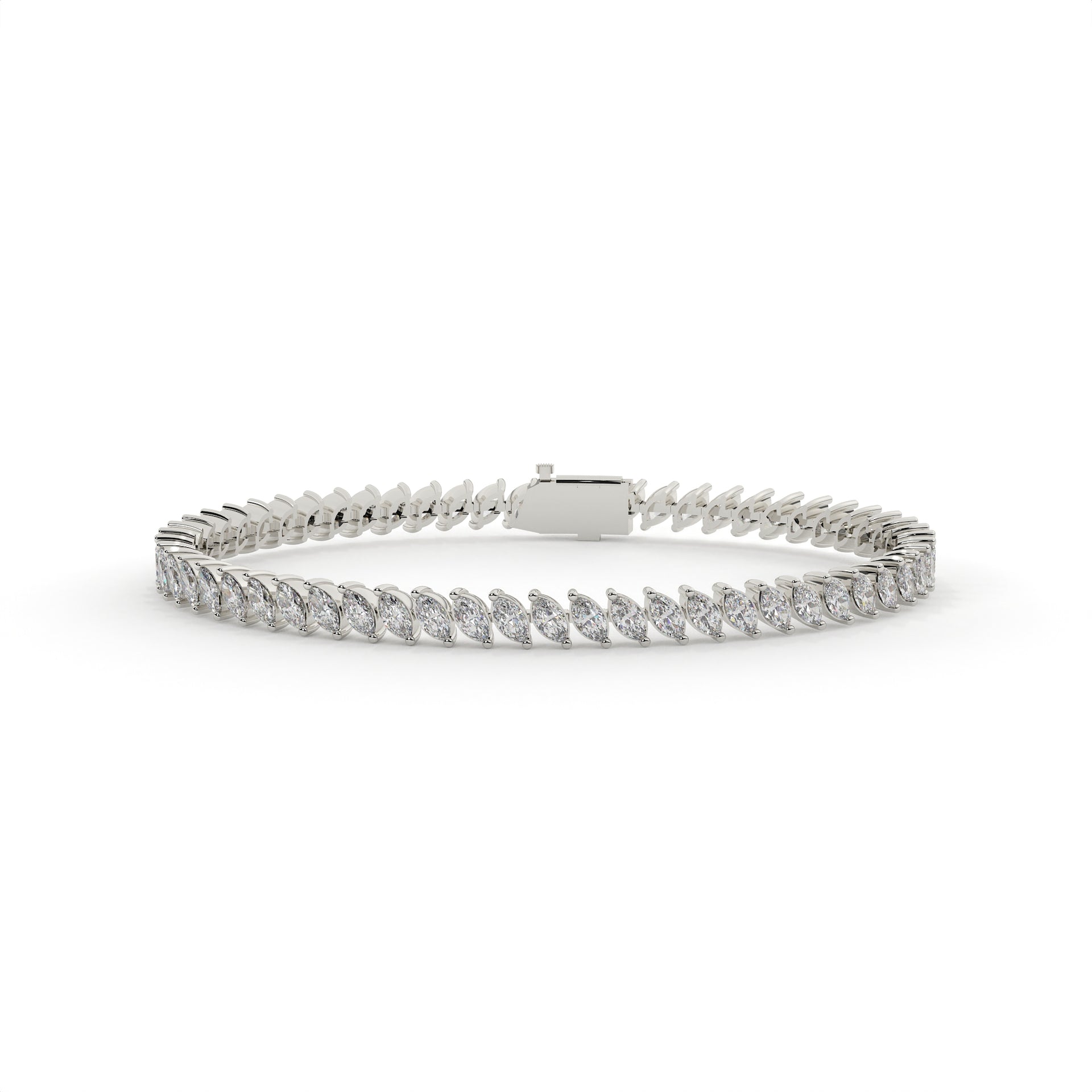
For example:
-
A natural diamond tennis bracelet (4–5 TCW) may cost $8,000 to $15,000, depending on diamond quality.
-
A laboratory-created diamond tennis bracelet with the same 4–5 TCW usually costs around $1,200 to $1,500.
This value advantage allows buyers to choose better clarity grades or select premium gold settings within the budget.
-
Larger Carat Size at a Lower Price
Since tennis bracelets contain dozens of diamonds, total carat weight plays a major role in their overall appearance.
Examples of typical price differences:
-
3 TCW lab-grown diamond bracelet around $1,200 – $2,500.
-
5 TCW lab-grown bracelet around $2,500 – $4,500.
-
7 TCW lab-grown bracelet around $4,500 – $6,500.
Because of this price advantage, buyers can select larger carat weights within their jewelry purchase budget.
As a result, a 5–7 total carat tennis bracelet becomes far more accessible when diamonds are lab-grown.
-
Ethical and Sustainable Choice
Many modern buyers prefer these gems because they avoid traditional mining practices and environmental disruption. Many manufacturers now use renewable energy sources, improving sustainability in production. Also, there is traceable sourcing and consistent diamond quality standards followed.
For buyers who care about transparency and responsible sourcing, a tennis bracelet made with laboratory-grown diamonds offers both luxury and peace of mind.
-
Ideal for Daily Wear and Gifting
Because the bracelet design distributes diamonds evenly across the wrist, it creates a balanced look that feels lightweight yet luxurious. You can find popular gifting occasions:
-
Wedding anniversaries, where diamond bracelets symbolize lasting commitment and shared life milestones.
-
Birthday celebrations, offering a timeless jewelry gift that can be worn daily or on special occasions.
-
Graduation gifts, marking academic achievements and important life transitions with meaningful fine jewelry.
-
Personal milestone celebrations, such as career promotions, achievements, or memorable life accomplishments.
This jewelry remains stylish across decades regardless of changing jewelry trends.
How to Choose the Right Lab-Grown Diamond Tennis Bracelet
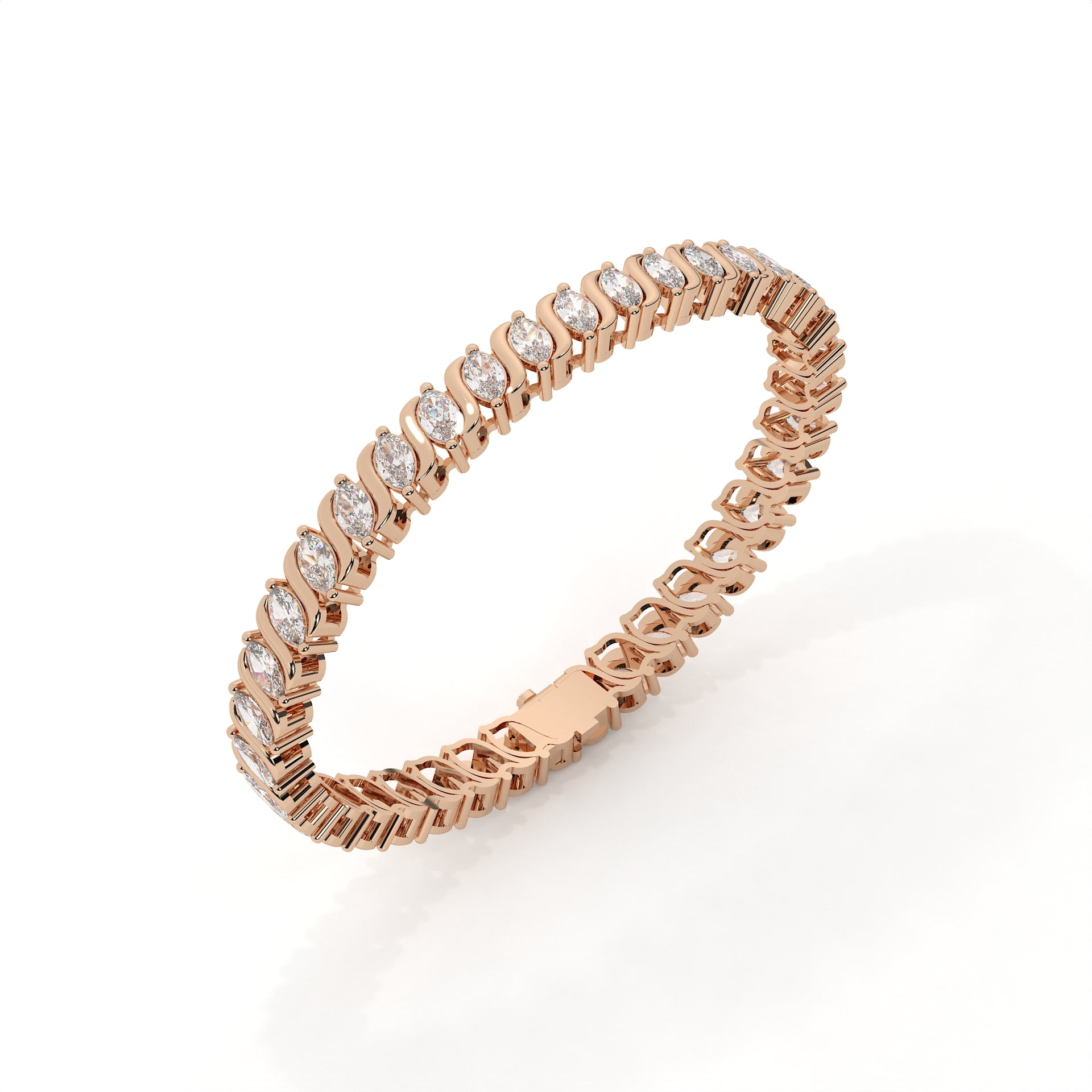
It requires evaluating a few essential factors that affect its sparkle, durability, comfort, and price.
-
Diamond Carat Weight
Carat weight refers to the Total Carat Weight (TCW) of all diamonds combined in the bracelet. A higher TCW generally creates a stronger visual presence and more noticeable brilliance.
Typical ranges include:
-
2–3 TCW: It is minimal and lightweight, ideal for subtle everyday wear that prices between $900–$2,000.
-
3–5 TCW: It is balanced for everyday luxury with visible sparkle and costs $2,000–$4,500.
-
5–8 TCW: This carat weight is perfect for bold statement bracelets with larger diamonds that price $4,500–$7,500.
-
8+ TCW: This can be a high-end luxury piece often chosen for milestone gifts.
Higher carat weight usually increases the tennis bracelet price because more diamonds are used.
-
Diamond Quality (Cut, Color, Clarity)
Diamond grading affects brilliance and visual appeal.
-
Cut: The most important factor because it determines how well diamonds reflect light and sparkle.
-
Color: Most high-quality bracelets use D–F (colorless) or G–H (near colorless) diamonds for a bright appearance.
-
Clarity: VS or SI clarity diamonds are commonly used, offering excellent sparkle with minimal visible inclusions.
-
Metal Type
Most laboratory-grown diamond tennis bracelets are crafted in 14K or 18K gold.
-
14K gold: This metal is durable, scratch-resistant, and ideal for daily wear.
-
18K gold: This metal is a higher gold purity with a richer color tone, but slightly softer metal.
Available color options include white gold for modern style, yellow gold for classic luxury, and rose gold for a warm contemporary look.
-
Bracelet Length & Setting
Standard bracelet sizes include 6.5, 7, and 7.5 inches, and the bracelet should feel secure while remaining flexible on the wrist.
Common settings include:
-
Prong setting: This is a choice for maximum length, where diamond exposure and brilliance are available.
-
Bezel setting: In this bracelet setting, metal surrounds each diamond for extra protection and a modern appearance.
-
Shared prong setting: This creates a continuous line of sparkle across the bracelet that looks sufficient when wearing on the hand.
Considering these factors ensures buyers choose a diamond tennis bracelet that combines beauty, comfort, and lasting value.
Popular Styles of Lab-Created Diamond Tennis Bracelets
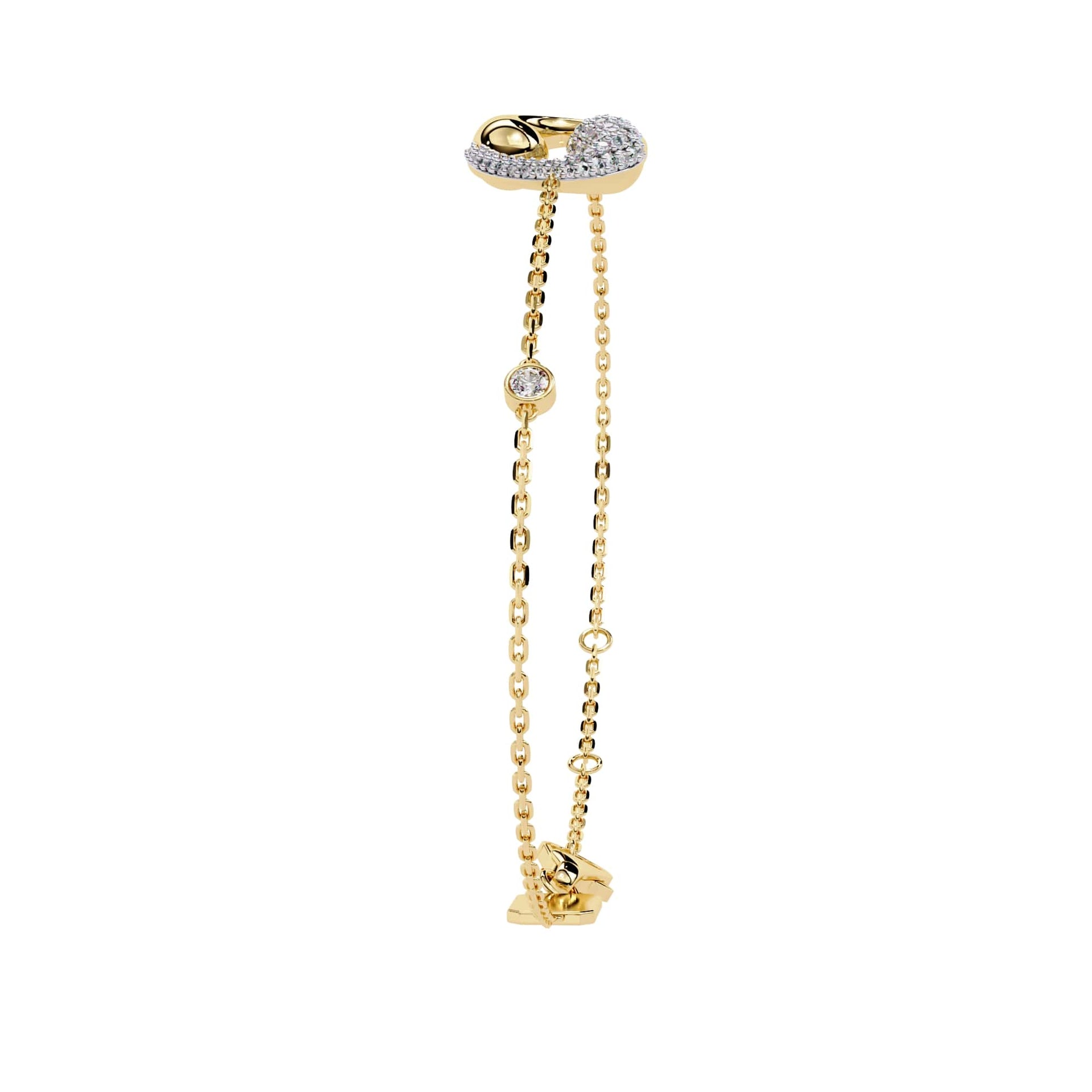
There are multiple varieties to select from in a tennis bracelet based on personal taste and lifestyle.
-
Classic Round Diamond Tennis Bracelet
The most traditional design features a continuous row of round-cut diamonds set in prongs or shared prong settings.
-
Why choose it: Offers maximum brilliance and symmetry, ideal for first-time buyers or timeless daily wear.
-
Style impact: Works for casual outfits, office wear, or formal occasions.
-
Minimalist Thin Tennis Bracelet
Designed with smaller, closely set diamonds, this style emphasizes subtlety and comfort.
-
Why choose it: It is lightweight and versatile, perfect for layering with other bracelets or watches.
-
Style impact: Elegant yet understated, suitable for everyday wear without overpowering the wrist.
-
Statement Large Carat Bracelet
In this bracelet setting, usually larger diamond shapes and higher total carat weight feature, creating a bold and eye-catching look.
-
Why choose it: It is ideal for formal events, parties, or milestone gifts.
-
Style impact: Draws attention and creates a luxurious statement while maintaining classic tennis bracelet structure.
-
Mixed Shape Diamond Bracelet
Some designs combine shapes like oval, pear, or emerald-cut diamonds for a more creative and modern appearance.
-
Why choose it: This bracelet adds uniqueness while maintaining continuous sparkle on the hand.
-
Style impact: Perfect for buyers seeking a contemporary twist on a classic bracelet.
-
Personalized Tennis Bracelets
Customizable bracelets allow buyers to choose diamond size, metal type, or add initials and charms.
-
Why choose it: Creates a one-of-a-kind piece that reflects personal style or commemorates special occasions.
-
Style impact: It offers both luxury and sentimental value, ideal as a meaningful gift.
By understanding the different styles, buyers can select a bracelet that complements their wardrobe, occasion, and personal preferences.
How to Tell If a Lab Diamond Tennis Bracelet Is High Quality
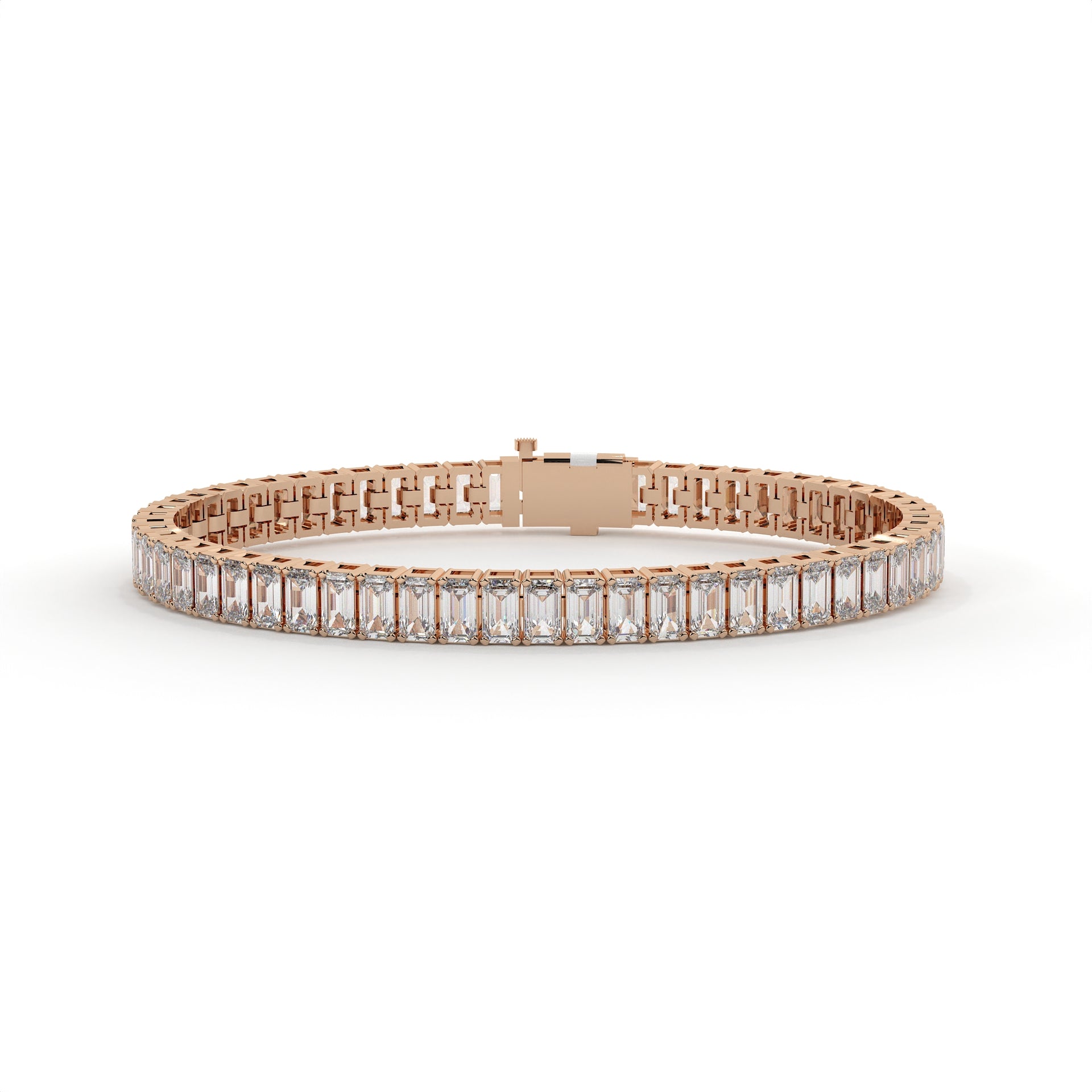
Ensuring high quality is essential for both beauty and long-term durability. Since bracelets contain multiple diamonds and intricate settings, even minor craftsmanship issues can affect sparkle, comfort, and security. Here’s how to identify a high-quality piece.
-
Certification and Diamond Grading
High-quality laboratory-grown diamonds come with certification from recognized gemological labs such as IGI, GIA, or GCAL. Certification verifies the following:
-
Authenticity of each diamond
-
Diamond cut, color, clarity, and carat weight
-
Consistency across all stones in the bracelet
Always request certification to confirm you’re purchasing genuine, graded diamonds.
-
Metal Purity and Hallmarking
The bracelet’s metal should be clearly marked with purity stamps:
-
14K or 18K gold ensures durability and authenticity.
-
White, yellow, or rose gold should be consistent in color and free from discoloration.
Hallmarking ensures buyers get the metal quality they are paying for.
-
Secure Clasp and Safety Features
A tennis bracelet’s clasp is important because it keeps dozens of diamonds secure. High-quality bracelets include:
-
Box clasp with a safety latch for extra security.
-
Smooth, easy-to-use mechanism that prevents accidental opening.
Check that the clasp operates firmly without wiggling, which indicates that daily wear won’t risk losing the bracelet.
-
Craftsmanship and Finishing
Even distribution of diamonds, smooth edges, and flawless metal finishing indicate quality craftsmanship:
-
Diamonds should be evenly spaced with consistent alignment.
-
Prongs or bezels must securely hold each stone without damaging it.
-
Bracelet flexibility should allow natural wrist movement without twisting or pinching.
High-quality finishing keeps increasing both visual appeal and long-term durability.
-
Sparkle and Brilliance
A well-made laboratory-created diamond tennis bracelet exhibits:
-
Uniform sparkle across all stones
-
Diamonds that catch light from multiple angles
-
Minimal metal interference in the light reflection
Even with smaller carat diamonds, proper cut and setting create maximum brilliance.
By checking certification, metal purity, clasp security, craftsmanship, and sparkle, buyers can confidently select a bracelet that delivers lasting elegance and value.
How to Care for Your Lab-Grown Diamond Tennis Bracelet
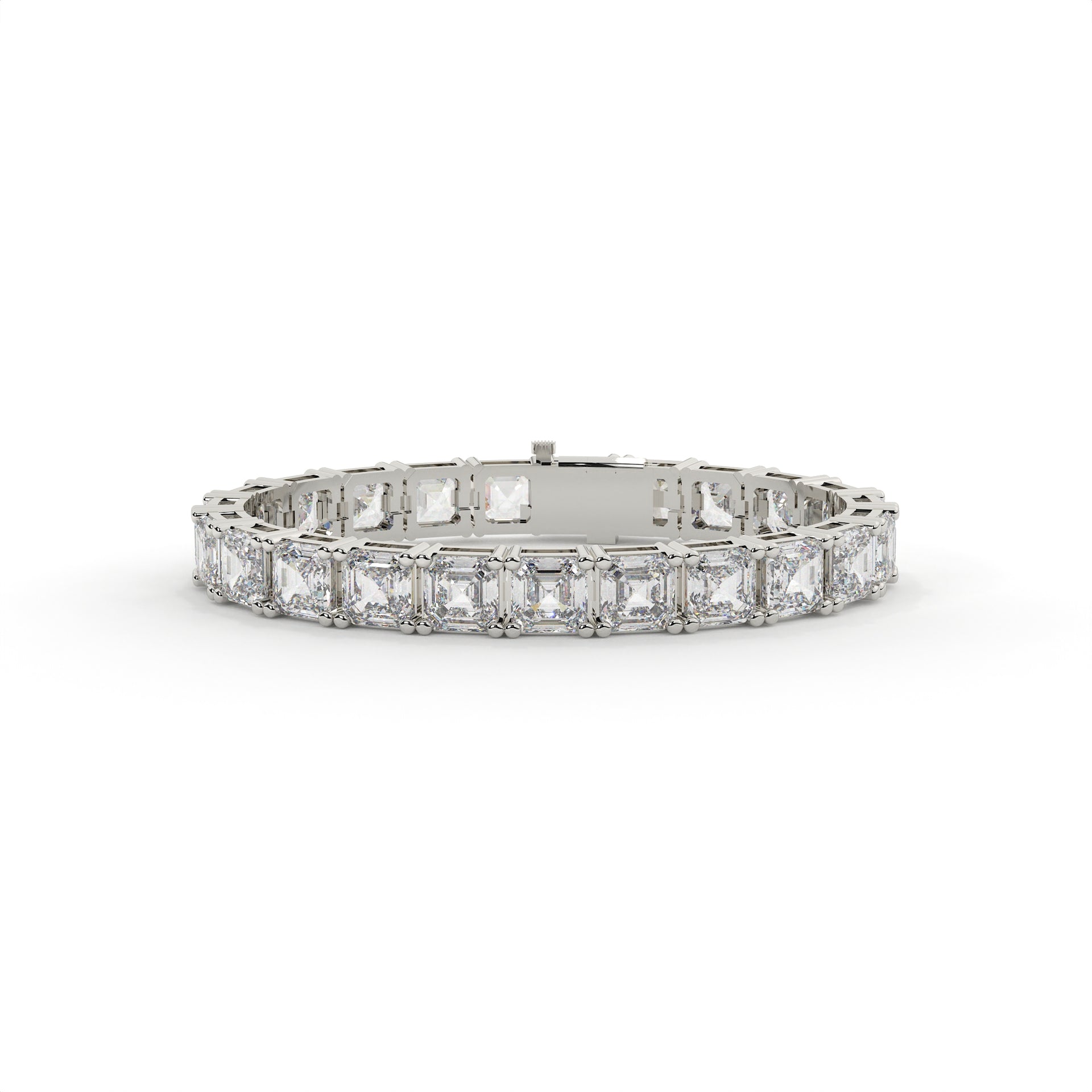
A lab-created diamond tennis bracelet is a long-term investment in style and sparkle. Proper care ensures it maintains brilliance, durability, and comfort for years. Since tennis bracelets feature multiple diamonds and delicate settings, following these care tips protects both the stones and metal.
-
Regular Cleaning
Get these cleaning tips remembered when you want the same look as a newly purchased bracelet:
-
Gentle cleaning: First, soak the bracelet in a mild soap solution and use a soft brush to remove dirt. Keep it clean and gentle.
-
Avoid harsh chemicals: Bleach, chlorine, and abrasive cleaners can damage both diamonds and gold. Do not ever try to clean it with these fluids.
-
Professional cleaning: Scheduling periodic cleaning with a jeweler can help to maintain brilliance and inspect prongs.
Tip: Even though lab-grown diamonds are durable, regular cleaning prevents residue buildup that dulls sparkle.
-
Safe Storage
The next thing is to keep the bracelet jewelry stored in a safe place.
-
Separate compartments: Store the bracelet in a soft pouch or individual jewelry box slot to prevent scratches.
-
Avoid tangling: Keep bracelets away from chains or other jewelry that can tangle or scratch the diamonds.
-
Travel care: Use a protective case or hard jewelry box when transporting the bracelet.
-
Avoiding Damage During Daily Wear
Sometimes, in a hurry, you may mistakenly increase the risk of jewelry damage.
-
Remove the bracelet during physical activities, such as sports, gardening, or heavy lifting.
-
Avoid contact with harsh chemicals in cleaning products, pools, or beauty products.
-
Inspect prongs and clasps regularly to ensure diamonds are secure.
-
Periodic Professional Maintenance
It's a recommended step to keep the jewelry cleaned through professional maintenance.
-
A jeweler can check for loose stones, worn prongs, or clasp issues.
-
Minor repairs or adjustments can extend the life of the bracelet significantly.
-
Regular maintenance keeps the bracelet looking like new and protects your investment.
Where to Buy a High-Quality Lab-Grown Diamond Tennis Bracelet
Finding the best lab-created diamond tennis bracelet may result in inconsistent diamond grading, unclear metal quality, or unreliable craftsmanship. Buyers struggle to find verified, durable, and ethically sourced options.
How Alyce Jewels Can Help:
-
Certified Lab-Grown Diamonds: We offer laboratory-created diamonds that follow the highest standards of cut, color, and clarity for consistent brilliance.
-
Multiple Gold Options: From 14K and 18K white, yellow, or rose gold metal options are available for giving a stylish and durable look.
-
Secure Craftsmanship: Our craftsmanship brings the top-quality settings for reliable clasps, precise prong or bezel settings, and flawless finishing.
-
Wide Selection: Various carat weights and bracelet styles for everyday wear or gifting.
Explore the collection
Conclusion
Before you buy, verify three things. First, get that certification from GIA or IGI. It’s your authenticity shield. Second, test the clasp for rock-solid security; daily wear demands it. Third, pick quality metal like 18k gold or platinum for lasting durability.
Balance ethics, looks, and price in your choice. Lab-grown tennis bracelets deliver all that without guilt. You gain sparkle that matches your values.