

Labor Day weekend brings a wave of jewelry promotions, and engagement ring shoppers often feel pressure to act fast before a sale ends. A percentage-off banner can be persuasive, but it doesn't actually tell you whether the ring underneath is a good ring, or whether the price is genuinely competitive once everything is accounted for.
The smartest Labor Day purchase isn't necessarily the ring with the biggest discount. It's the ring where diamond quality, setting construction, certification, return terms, and final price all make sense together. That means slowing down just enough to look past the marketing and evaluate what you're actually being asked to buy. This guide walks through what matters, what doesn't, and how to tell the difference during a Labor Day engagement ring sale.
Is Labor Day a Good Time to Buy an Engagement Ring?
Quick answer: Yes, Labor Day can be a good time to buy an engagement ring, particularly when retailers offer seasonal promotions or bundle incentives. However, the quality of the deal matters more than the holiday itself. Buyers should compare the diamond's cut, certification, setting quality, return policy, and final price rather than assuming every Labor Day discount represents genuine savings.
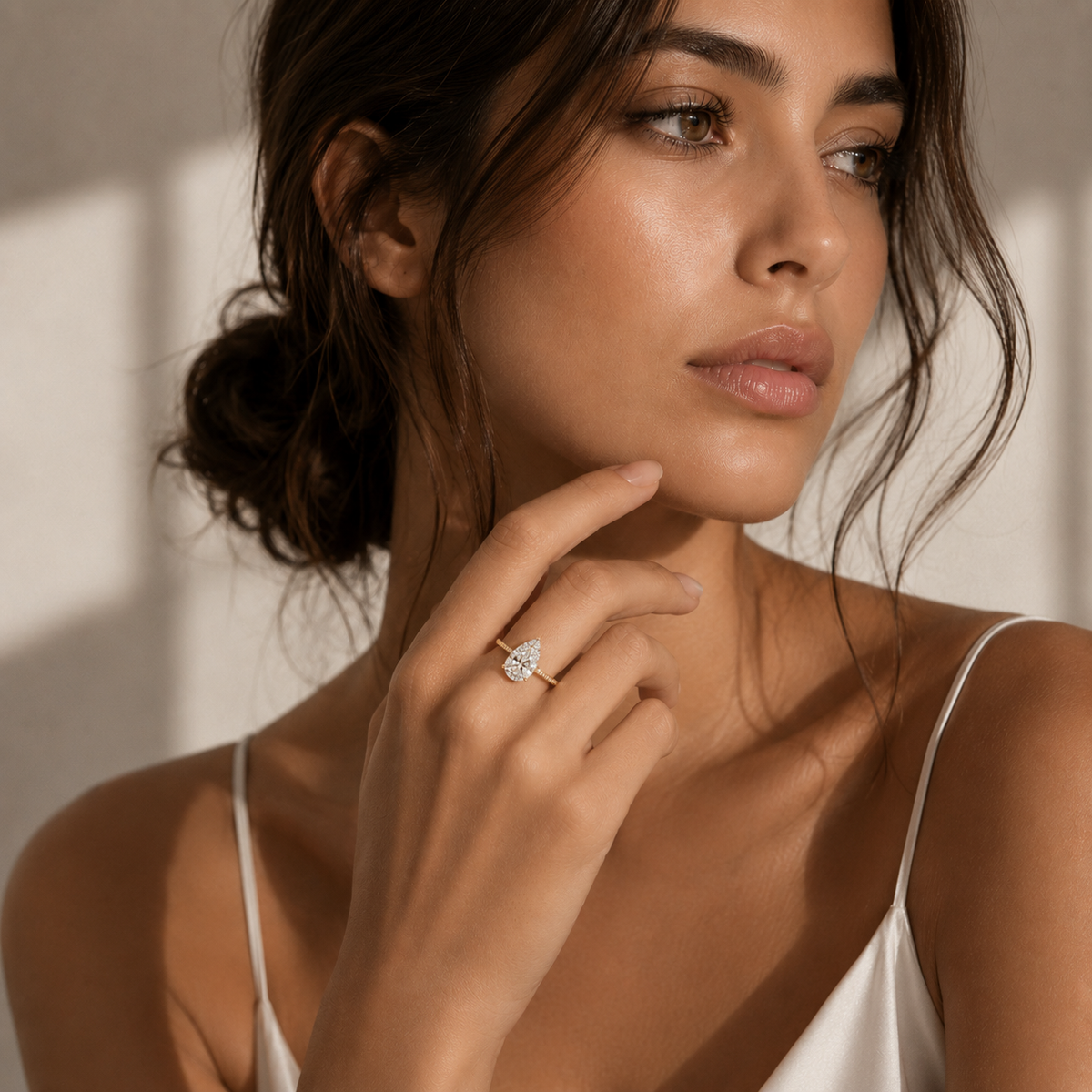
Labor Day sits alongside a handful of retail calendar moments like Black Friday, Valentine's Day, Mother's Day — when jewelers run promotions to move inventory and attract shoppers who are already in a buying mindset. That's a legitimate reason for prices to move. It doesn't mean Labor Day is automatically the cheapest weekend of the year, and it doesn't mean every advertised discount reflects a real price drop versus what the ring would cost in October or January.
Waiting for a sale can make sense if you're not in a rush and want to compare several options before committing. Buying immediately can make sense if you've already identified the type of ring, the diamond specifications check out, and the current price is fair for what's included. Either way, the discount percentage shouldn't be the deciding factor, and it’s the ring itself.
What to Look For During a Labor Day Engagement Ring Sale
-
Start With the Diamond, Not the Discount
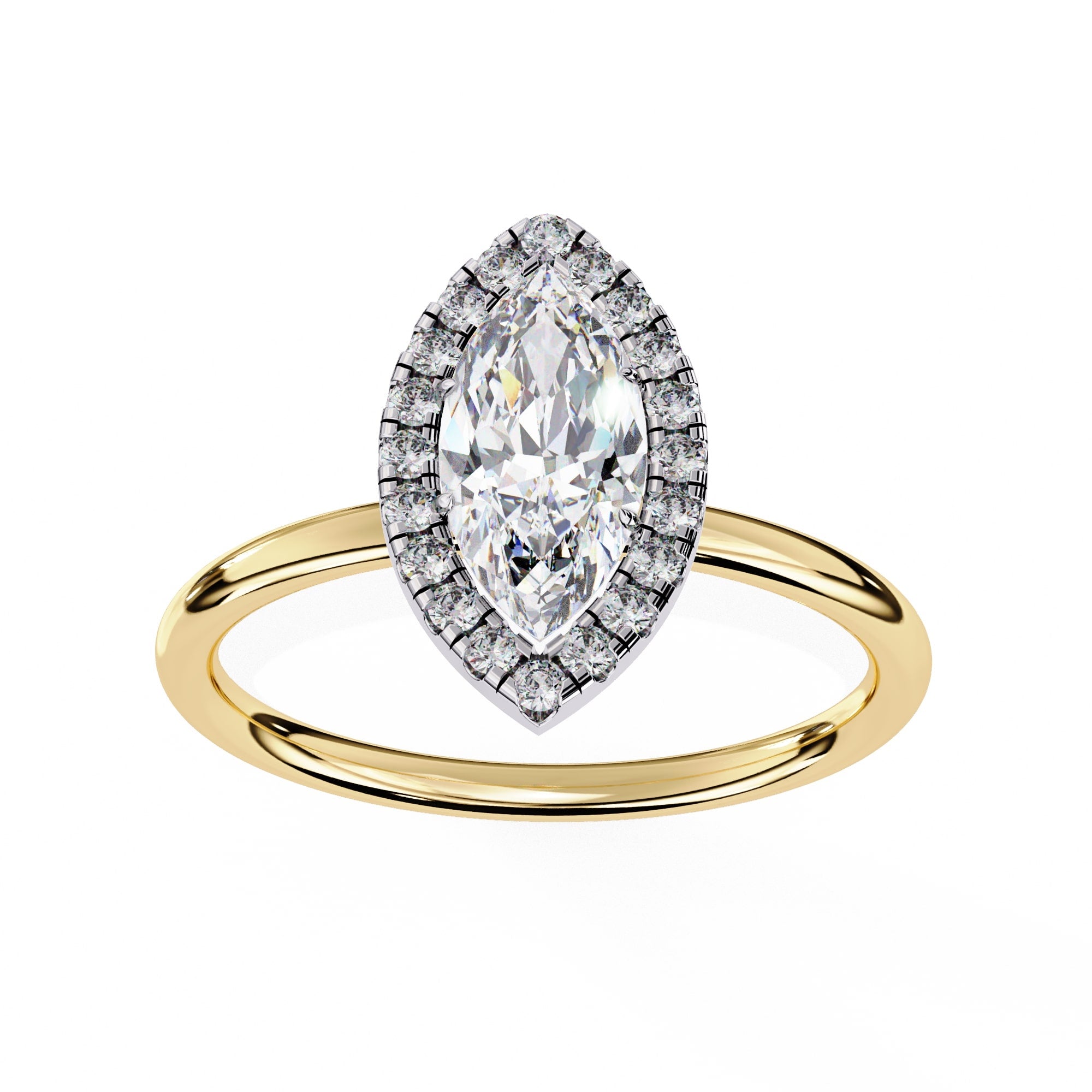
Before looking at the price tag, look at the diamond. The 4Cs — cut, color, clarity, and carat — determine how a diamond actually looks on the hand, and they matter more than any promotional percentage.
-
Prefer a Very Good to Good cut grade because cut has the biggest effect on how a diamond performs visually. A well-cut diamond reflects light evenly and reads brighter and livelier than a poorly cut stone of the same size.
-
Diamond color grade and clarity affect how "clean" and colorless the diamond appears, though most buyers don't need a flawless, colorless grade (D, E, F) to get a diamond that looks bright and clear to the naked eye.
-
Carat weight is simply size, as it says nothing about how well the stone was cut or how it will look once set. Choose a 1-carat ring or 2-carat diamond that fits your budget preferences.
When buying a diamond, a diamond shape selection matters.
-
The most popular choice is a round brilliant cut that is known for maximum sparkle from 360 angles.
-
Need a fancy shape like elongated and rectangular, then go for an oval, cushion, emerald, or radiant diamond engagement ring that offers visual effects. These shapes deliver finger coverage and better value per carat.
None of this is about finding the "best" shape. It’s about understanding what you're looking at before a discount enters the conversation.
-
Check the Diamond Certification
An independent grading report is one of the simplest ways to confirm what you're actually buying. Labs like IGI and GIA evaluate a diamond's 4Cs using standardized criteria, so the report gives you a reference point that isn't just the seller's word.
When you're shown a diamond, ask for the grading report and confirm the report number matches the stone. If a listing makes quality claims — "excellent cut," "eye-clean," "premium color" — without a certificate to back it up, treat that as a reason to ask more questions, not a reason to walk away. Certification doesn't automatically mean a diamond is a good purchase. It just means you have real information to evaluate instead of a description you can't verify.
-
Compare the Final Price, Not Just the Discount Percentage
"30% off," "limited-time sale," and "was/now" pricing are designed to create urgency, and they can make a ring look like a better deal than it is. A high percentage off an inflated starting price isn't the same as a genuinely low final price.
The more useful comparison looks at final price plus diamond specifications plus setting plus metal plus certification plus return policy — as one package. Two rings advertised at similar discounts can land at very different actual values once you account for what's included. Slow down and add it up rather than reacting to the badge on the listing.
-
Choose the Right Diamond Shape

Round, oval, pear, princess, emerald, cushion, radiant, and marquise each create a different look and wear differently on the hand. Rounds and cushions tend to maximize brilliance. Elongated and square shapes like pear, marquise, oval and princess rings can visually lengthen the finger. Step cuts like emerald and Asscher show off clarity in a more understated way. There's no universally "correct" shape. But the right one depends on personal style, hand shape, and how the ring will be worn day to day.
-
Pay Attention to the Setting and Metal
The setting isn't just decoration. It determines how securely the stone is held and how the ring wears over years of daily use. Solitaire settings keep the focus on the diamond with minimal distraction. Halo and hidden halo settings add perceived size and extra sparkle around the center stone. Three-stone and vintage-inspired designs bring more detail and symbolism into the piece.
Metal choice matters just as much. 14K gold is more durable for everyday wear, while 18K gold has a richer color at the cost of some hardness. White gold, yellow gold, and rose gold are aesthetic choices more than performance ones. Platinum is a durable metal choice for its natural content in the structure, and 925 silver is an affordable metal to get in the ring.
Whatever combination you choose, check that prongs are secure and that the setting style suits how often the ring will actually be worn.
What to Ignore When Shopping a Labor Day Diamond Sale
1. Huge Discount Percentages
A large percentage off doesn't establish value on its own because it only means something relative to a starting price you may not be able to verify. Like 50% off or B2G1 offers are still valid, but ensure it’s legit, not an illusion.
2. Artificial Urgency
Countdown timers and "last chance" messaging are sales tactics, not information about the diamond. They shouldn't shorten the time you spend actually researching the ring. Take your time to complete the purchase by understanding every detail properly.
3. Carat Weight Alone
A heavier diamond isn't automatically more attractive, like a 5-carat diamond ring. Cut quality and proportions affect appearance far more than raw carat weight.
4. Perfect Grades Across Every 4C
Top grades in every category aren't necessary for a diamond to look beautiful. Many buyers get excellent results from diamonds a step or two below the highest grades, at a meaningfully lower price.
5. Trends That Don't Suit the Wearer
A style that's popular this year won't matter much a decade from now, like top Summer Jewelry Trends. Personal taste and everyday lifestyle should carry more weight than what's currently trending.
6. The "Two-Month Salary" Rule
This is a marketing legacy, not a financial guideline. Ring budgets should reflect actual finances, not an inherited formula. It depends on you: what is the final price range you’re ready to spend on the ring, for example, lab-grown diamond ring under $1,000 or $1,000 to $2,500. Don’t be influenced by others who spend $5,000; see what your priorities are: look or durability with original diamonds- then proceed further.
Labor Day Diamond Ring Buying Checklist
A deal is worth serious consideration when you follow this:
-
The diamond has a credible, matching grading report
-
The cut and proportions are appropriate for the shape
-
The diamond looks bright and clean to the eye
-
The final price is competitive once everything is included
-
The setting is well constructed with secure prongs
-
The metal matches your preference and lifestyle
-
The return policy is clearly stated
-
Ring sizing is available or included
-
Shipping is insured and transparent
-
You understand exactly what's included in the price
The checklist helps you to get the best ring that matches your expectations.
Lab-Grown vs. Natural Diamonds During Labor Day Sales
Choosing a diamond between lab-grown and natural ones depends on your perspective on getting them for jewelry. Lab diamonds are the same as natural diamonds; only they differ in origin.
-
Natural diamonds
Natural diamonds form underground over long periods and are mined. Both are graded using the same 4C standards and both are appropriate choices for an engagement ring.
-
Lab-grown diamonds
Lab-grown diamonds are created above ground under controlled conditions. They are typically more efficient to produce; they allow buyers to get a larger stone or higher clarity within a given budget.
Some buyers still prefer natural diamonds for reasons tied to tradition, rarity, or personal meaning, and that's a legitimate consideration too. Alyce Jewels' lab-grown diamond engagement ring collection is built around this efficiency, offering a range of diamond shapes and carat sizes designed for everyday wear.
How Alyce Jewels Can Help You Shop for a Labor Day Engagement Ring
If you're comparing rings this Labor Day, Alyce Jewels' collection includes solitaire, halo, and vintage-inspired settings across multiple diamond shapes, available in 14K and 18K gold, in white, yellow, and rose finishes.
-
Diamonds are IGI certified, so every grading claim is backed by an independent report.
-
Orders include a 30-day return window, free ring sizing, and insured shipping, which addresses several of the checklist items above before you even get to pricing.
A 2-carat solitaire princess-cut engagement ring is a useful example of how these factors come together in a single, everyday-wearable piece. Current promotional pricing, where applicable, is reflected directly on each product page rather than through a blanket claim.
Conclusion
Labor Day sales can be a reasonable moment to buy an engagement ring, but the holiday itself isn't what makes a deal good; the diamond, the certification, the setting, and the final price are. Use the sale as an opportunity to compare options, not a reason to skip the comparison altogether.
If you're shopping for a Labor Day engagement ring, explore Alyce Jewels' lab-grown diamond engagement ring collection and compare styles, diamond shapes, metal options, and current pricing before choosing your ring.
FAQs
-
Is Labor Day a good time to buy an engagement ring?
Yes, particularly when a retailer's promotion reflects a genuine price reduction rather than an inflated "before" price. Evaluate the diamond, certification, and final price together rather than relying on the discount alone.
-
Are Labor Day engagement ring sales worth it?
They can be, if the underlying diamond and setting meet your standards independent of the sale. A discount on a mediocre ring is still a mediocre ring.
-
What should I look for in a Labor Day diamond sale?
Look for verifiable certification, a well-cut diamond, a secure setting, and a final price that's competitive once everything is included — not just the percentage off.
-
How do I know if a diamond discount is actually a good deal?
Compare the final price against the diamond's specifications, certification, and setting quality, ideally against a similar ring from another retailer, rather than judging the discount in isolation.
-
Should I prioritize carat or cut when buying a diamond?
Cut generally has the bigger impact on how a diamond looks day to day. A smaller, well-cut diamond often reads brighter than a larger diamond with a poor cut.
-
Are lab-grown diamonds good for engagement rings?
Yes. They're chemically identical to natural diamonds and graded on the same standards, and they often allow for a larger or higher-clarity stone within a given budget.
-
Should I buy an engagement ring during a holiday sale?
If the ring meets your standards on its own merits and the price is genuinely competitive, timing it to a sale is reasonable. If you're only interested because of the discount, slow down and evaluate the ring itself first.
-
What diamond certification should I look for?
IGI and GIA are the most widely recognized labs for diamond grading reports. Confirm the report number matches the physical stone.
-
What should I avoid when buying a diamond ring online?
Avoid relying on discount percentages, urgency messaging, or carat weight alone. Avoid sellers who make quality claims without a matching grading report.